Staying Healthy in Hot Weather
Hot weather is becoming more common in the UK and many of us have experienced the effects of high temperature, particularly during recent summers.
The main risks of hot weather
High temperatures can increase the risk of:
- Dehydration – when your body loses more fluid than you drink
- Overheating – when your body becomes too hot
- Heat exhaustion – when your body becomes overheated and you lose too much water and salt
- Heatstroke – a medical emergency that can happen when the body becomes dangerously hot
Preparing for hot weather
There are simple steps you can take to prepare for periods of hot weather:
- Check the weather forecast so you know when hot weather is expected and can plan ahead.
- Plan physical activity for cooler times of day. If possible, exercise or walk your dog in the early morning or evening, when temperatures are usually lower.
- Keep up to date with local information. Check the news and local authority updates for information about any disruption to services such as transport, power or water.
- Check air pollution forecasts. Air pollution can make breathing problems worse and hot weather can sometimes contribute to poor air quality.
For advance warning of hot weather periods, you can sign up for Weather-Health Alerts from the UK Health Security agency.
Looking after yourself in hot weather
1. Stay hydrated
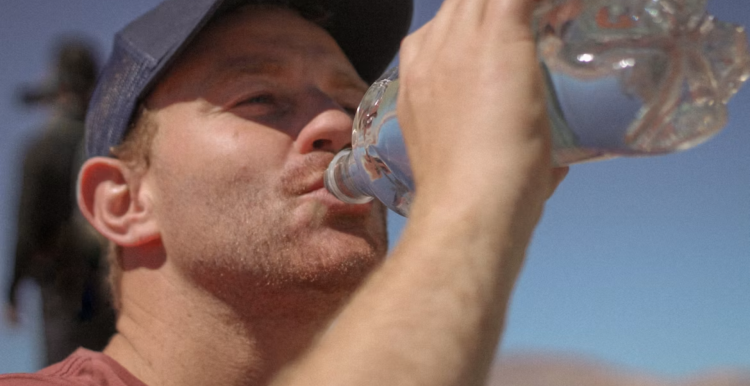
Drink fluids regularly throughout the day. A good indication that you are drinking enough is that your urine is pale yellow or straw coloured. so that your wee is a pale straw colour.
Take extra water when leaving the house, particularly if you are going to be outside or exercising.
If you are exercising or sweating heavily, you may need to replace the fluids and salts lost. Water is usually enough for everyday hydration, while rehydration drinks may be useful after intense exercise.
Alcohol can increase the risk of dehydration, so limit alcohol intake during hot weather.
If you are fasting, make sure you drink enough fluids during the times you are able to eat and drink and follow the appropriate guidelines for stating hydrated.
For more information, see the NHS guidance on dehydration.
2. Keep Cool
There are several ways you can help keep yourself and your home cool:
- Drink cool drinks and choose lighter, cold meals where possible.
- Use a fan and cool water to help lower your body temperature.
- Close blinds or curtains during the day, particularly on windows exposed to direct sunlight.
- Open windows when the air outside is cooler to improve airflow.
- Spend time in cooler or shaded areas where possible.
- Move to the coolest room in your home, particularly when sleeping.
- Avoid intense physical activity during the hottest part of the day.
- Turn off lights and electrical equipment that are not being used, as these can generate additional heat.
Remember fans can help you feel cooler but when temperatures are very high, they may not be enough on their own. Using cool water and moving to a cooler environment may also help.
3. Protect yourself from the sun
You can get sunburn in the UK even when it is cloudy, as UV radiation will still reach your skin. Babies and young children are particularly vulnerable to sun damage.
Protect yourself by:
- Wearing loose, lightweight clothing that covers your skin
- Wear a hat and sunglasses
- Spend time in the shade where possible, particularly from 11am-3pm when the sun is strongest
- Use sunscreen with at least SPF30 and good UVA protection
- Apply suncream generously and reapply regularly, particularly after swimming, sweating or towel drying
Remember that suncream should not be used as the only form of protection – covering your skin and seeking shade are also important.
4. Look out for others
Some people are more vulnerable to the effects of hot weather including:
- Older people
- Babies and young children
- People with long-term health conditions
- People who take certain medications
- People who live alone
Check in on friends, family, neighbours and other people who may be at greater risk. Ask whether they have enough fluids, are able to keep their home cool and need any help.
For more information, see the UK Government’s guidance.
Know the signs of heat-related illness
Knowing the signs of heat exhaustion and heatstroke can help you recognise when someone needs help.
Heat Exhaustion
Heat exhaustion is usually treated by cooling dow3n and drinking fluids. However, if symptoms do not improve within 30 minutes, urgent medical help is needed.
Symptoms can include:
- Tiredness or weakness
- Dizziness
- Headache
- Feeling or being sick
- Excessive sweating
- Pale, clammy skin
- Muscle cramps
- High temperature
- Feeling very thirsty
- Irritability
What to do:
Move the person to a cool place, remove unnecessary clothing and help them drink cool water or a rehydration drink. Cool their skin with cool water, a fan or wrapped cold packs.
If they do not improve within 30 minutes, or you are concerned about their symptoms, seek urgent medical help by calling NHS 111.
Heatstroke
Heatstroke is a medical emergency and requires immediate treatment.
Symptoms can include:
- A very high temperature
- Hot skin that may be dry or sweaty
- Fast breathing
- A fast heartbeat
- Confusion or unusual behaviour
- A seizure
- Loss of consciousness
What to do:
If you think someone has heatstroke, call 999 immediately.
While waiting for help, move them to a cool place, remove unnecessary clothing and cool their skin as quickly as possible with cool water, fans or wrapped cold packs.
Do not give fluids to someone who is unconscious or unable to swallow safely.
For more information, visit Heat exhaustion and heatstroke - NHS
Stay safe this summer
Hot weather can be enjoyable but it is important to take simple precautions to protect yourself and others. Staying hydrated, keeping cool, protecting your skin from the sun and checking on people who may be more vulnerable can all help you stay safe and healthy during periods of hot weather.
If you are concerned about your health during hot weather, seek advice from a healthcare professional. For urgent but non-emergency medical advice, contact NHS 111. If you think someone is experiencing heatstroke or is seriously unwell, call 999.